
Why do some people continue improving no matter how many challenges they face, while others stop trying after a single setback? The answer often comes down to mindset. The way individuals think about intelligence, skills, and personal growth has a major impact on their achievements, confidence, and long-term success. In today’s competitive environment, understanding the difference between a fixed mindset and a growth mindset can shape better careers, healthier relationships, and stronger personal development.
A growing number of workplace and education studies suggest that people who believe abilities can improve through learning and effort are more likely to achieve consistent results over time. In the discussion of growth mindset vs fixed mindset, professionals, students, and business leaders are increasingly focusing on how mental attitudes influence productivity, adaptability, and performance. Organizations that encourage continuous learning often experience stronger teamwork, improved innovation, and higher employee engagement.
What Is a Growth Mindset?
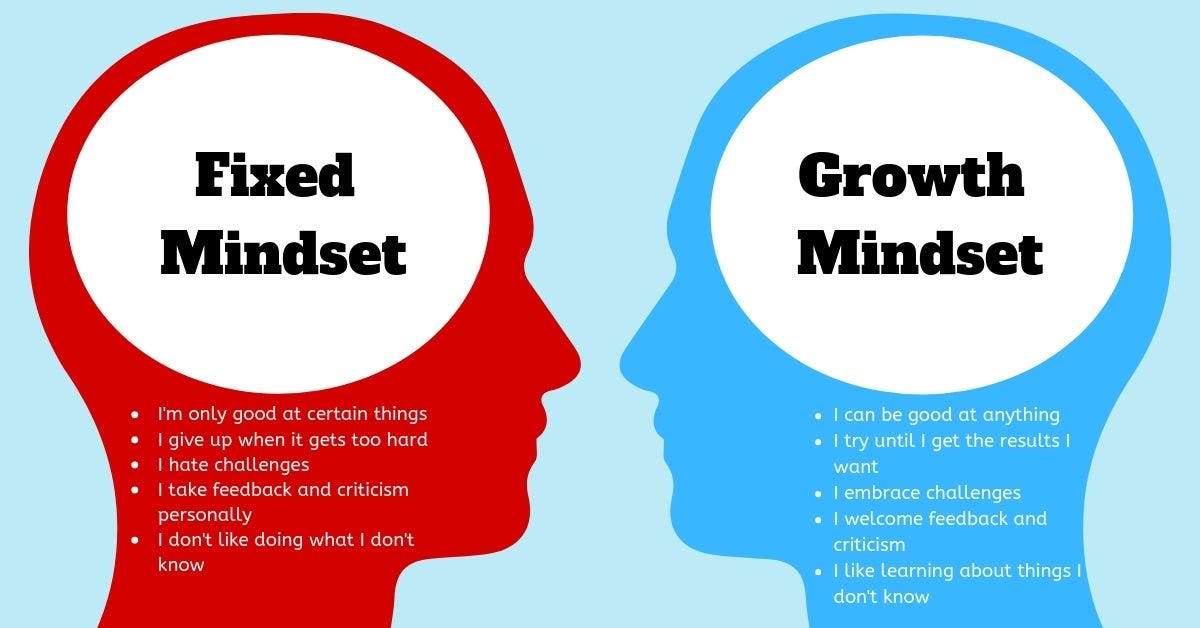
A growth mindset is the belief that intelligence, talent, and abilities can develop through practice, learning, and persistence. People with this mindset view mistakes as opportunities to improve rather than signs of failure. They are willing to take on challenges because they understand that progress happens through effort and experience.
Professionals with a growth mindset usually embrace feedback, adapt to change more easily, and stay motivated during difficult situations. Instead of avoiding challenges, they actively seek ways to expand their knowledge and sharpen their skills. This approach often leads to long-term career growth and personal satisfaction.
What Is a Fixed Mindset?
A fixed mindset is the belief that abilities, intelligence, and talent are permanent traits that cannot significantly change. Individuals with this thinking pattern often avoid situations where they may fail because they fear judgment or criticism. They may also compare themselves to others more frequently and become discouraged when immediate success does not happen.
People with a fixed mindset often focus on proving their abilities rather than improving them. As a result, they may avoid risks, resist feedback, and struggle with adapting to new environments. Over time, this can limit both personal and professional development.
Why Does Mindset Matter in Professional Growth?
Mindset directly affects how people respond to challenges, pressure, and competition. In professional settings, employees with a growth mindset tend to handle workplace changes more effectively. They are more open to learning new technologies, improving communication skills, and adapting to industry trends.
Companies also value individuals who demonstrate resilience and continuous improvement. Employees who stay committed to learning often contribute more innovative ideas and build stronger problem-solving abilities. This creates better team performance and supports organizational success.
A fixed mindset, on the other hand, can reduce confidence during difficult projects. Employees may avoid responsibilities outside their comfort zone, leading to slower career progression and missed opportunities.
How Does a Growth Mindset Improve Learning?
People with a growth mindset understand that learning is an ongoing process. They focus on effort, consistency, and strategy rather than immediate perfection. This approach encourages deeper understanding and long-term knowledge retention.
Students and professionals who embrace growth often spend more time improving weak areas instead of avoiding them. They are more likely to ask questions, seek mentorship, and remain patient while learning complex skills. This persistence creates stronger confidence and better overall performance.
Continuous learners also adapt faster to changing environments, which is becoming increasingly important in modern industries where technology and market demands evolve rapidly.
Can Mindset Affect Confidence Levels?
Yes, mindset has a strong connection with confidence and self-esteem. A growth mindset builds confidence because individuals believe improvement is possible. Even when mistakes happen, they understand setbacks are temporary and valuable for learning.
People with a fixed mindset often tie their confidence to outcomes. If they fail at something, they may view themselves as incapable rather than recognizing the opportunity to improve. This creates fear of failure and can reduce motivation over time.
Growth-oriented individuals typically maintain stronger emotional resilience because they focus on progress instead of perfection.
How Does Mindset Influence Workplace Success?
Workplace success often depends on adaptability, communication, and willingness to improve. Employees who develop a growth mindset usually perform better under pressure because they see challenges as part of the learning process.
Managers also appreciate team members who are open to constructive feedback and committed to professional development. These qualities improve collaboration and encourage positive workplace culture.
A growth mindset supports innovation because individuals become more comfortable experimenting with new ideas. Instead of fearing mistakes, they focus on finding solutions and improving future outcomes.
Why Do Some People Struggle to Develop a Growth Mindset?
Many people grow up believing intelligence and talent are fixed qualities. Social pressure, fear of criticism, and past failures can reinforce this thinking pattern. In highly competitive environments, individuals may avoid risks to protect their image or reputation.
Negative self-talk also plays a role. When people constantly believe they are “not good enough,” they become less willing to try new things. Overcoming this mindset requires patience, self-awareness, and consistent effort.
The good news is that mindset can change over time. With practice and positive habits, individuals can gradually shift their thinking toward growth and improvement.
What Habits Encourage a Growth Mindset?
Several daily habits help strengthen a growth-oriented mindset. Setting realistic goals encourages steady improvement and builds motivation. Reflecting on lessons learned from mistakes also helps individuals focus on progress instead of failure.
Seeking constructive feedback is another important habit. People who actively listen to advice often improve faster because they remain open to learning opportunities.
Reading, skill-building, and continuous education also contribute to personal growth. Individuals who invest in self-improvement often become more confident and adaptable in both personal and professional life.
How Does a Growth Mindset Support Leadership?
Strong leaders understand that success comes from continuous learning and team development. Leaders with a growth mindset encourage collaboration, creativity, and problem-solving within their organizations.
They are more likely to support employee training, mentorship, and innovation because they believe improvement is possible for everyone. This creates a positive work culture where employees feel motivated to contribute and grow.
Growth-minded leaders also handle setbacks more effectively. Instead of focusing on blame, they analyze challenges and look for ways to improve future performance.
Can a Fixed Mindset Be Changed?
Yes, a fixed mindset can gradually transform through intentional effort and awareness. The first step is recognizing negative thought patterns that limit personal growth. Once individuals become aware of these beliefs, they can begin replacing them with more constructive perspectives.
Celebrating small improvements instead of waiting for perfection helps build confidence. Accepting challenges, learning from criticism, and practicing patience are also important steps toward developing a healthier mindset.
Change does not happen overnight, but consistent effort can create significant personal transformation over time.
Why Is Mindset Important for Long-Term Success?
Long-term success depends on the ability to learn, adapt, and remain resilient through changing circumstances. A growth mindset encourages individuals to keep improving even when progress feels slow.
People who focus on learning rather than proving themselves are often more prepared for future challenges. They develop stronger emotional resilience, better communication skills, and greater confidence in uncertain situations.
Success is rarely based on talent alone. Consistency, effort, and willingness to improve often make the biggest difference in achieving meaningful goals.
Conclusion
Understanding the difference between a growth mindset and a fixed mindset can transform the way people approach learning, career development, and personal success. A growth mindset encourages resilience, adaptability, and continuous improvement, while a fixed mindset can limit confidence and opportunities.
In professional and personal environments, individuals who embrace learning and persistence are often better equipped to handle challenges and achieve lasting success. By focusing on progress, accepting feedback, and remaining open to change, anyone can build a stronger mindset that supports long-term improvement and achievement.