
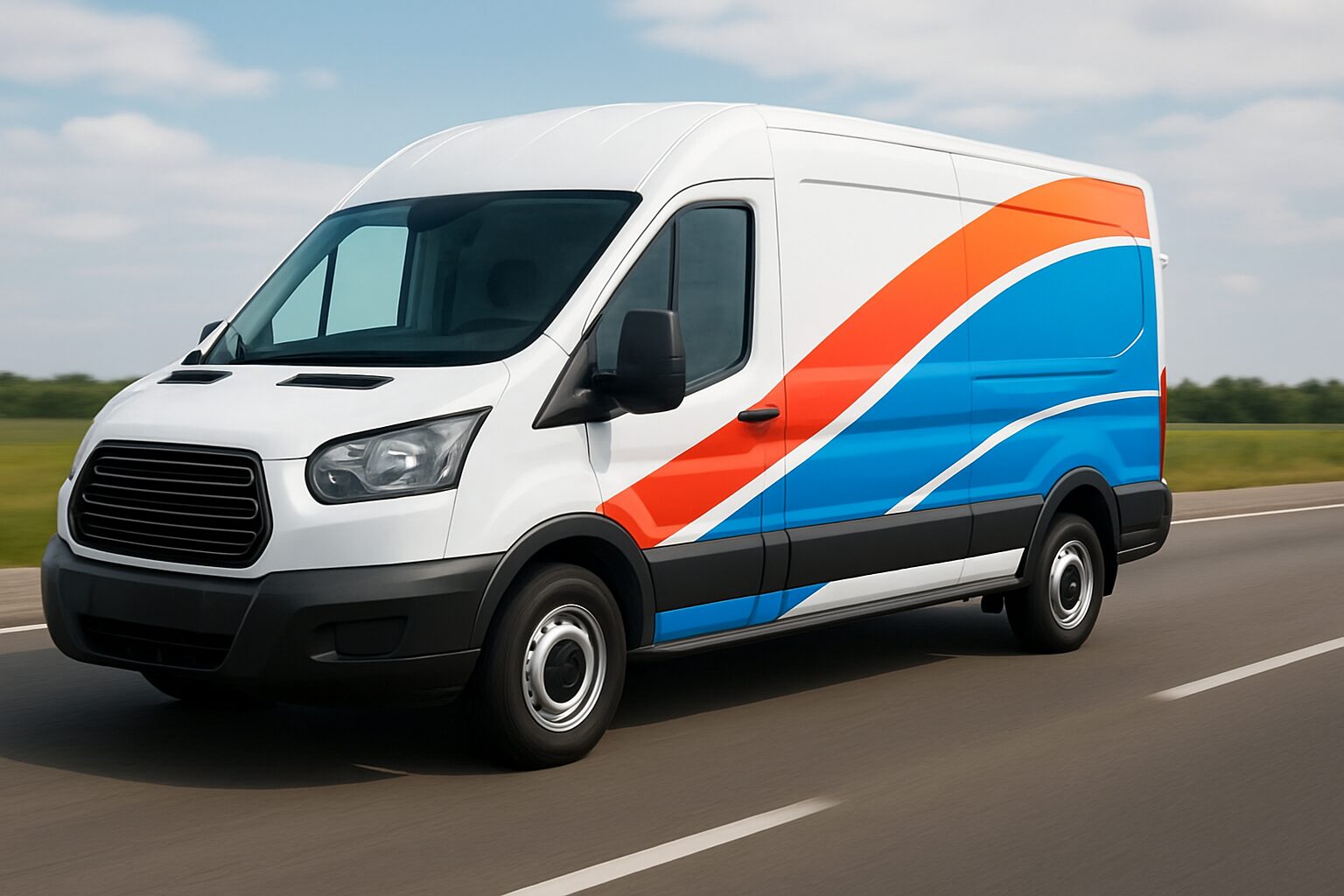
What makes a vehicle graphic truly effective?
A well-designed fleet communicates before a conversation begins. For public safety departments, visibility, recognition, consistency, and professionalism all matter on the road. Thoughtful vehicle graphic design brings these priorities together by combining clear identification with purposeful visual elements. Thoughtful planning at this stage can prevent visual conflicts, improve readability, and create a stronger connection between each vehicle and the department it represents on the road. From police and sheriff vehicles to fire rescue and security fleets, graphics can create a unified appearance while supporting practical communication and visibility.
In This Article
- What makes a vehicle graphic truly effective?
- Why is vehicle graphics important for public safety fleets?
- How does consistent fleet design improve recognition?
- What should be considered when creating a vehicle graphic?
- Which materials are suitable for fleet graphics?
- Can custom graphics support different fleet requirements?
- How does the design process typically work?
- What role does visibility play in graphic design?
- How can departments maintain a professional fleet appearance?
- Why choose a specialized graphics partner?
- What is the lasting value of professional vehicle graphics?
Why is vehicle graphics important for public safety fleets?
Vehicle graphics are more than decorative additions. They help the public recognize a vehicle. Clear lettering, agency identifiers, badges, stripes, and reflective elements can contribute to easier recognition. A consistent design across a fleet creates a professional visual identity, helping every vehicle look like part of the same organized operation.
How does consistent fleet design improve recognition?
Consistency is valuable when departments operate multiple vehicle types. A sedan, SUV, truck, motorcycle, or specialty vehicle may have different body shapes, yet the graphic system should feel connected. Matching colors, typography, logos, placement, and visual accents can establish a recognizable fleet identity. This approach also makes future additions easier because new vehicles can follow an established design language.
What should be considered when creating a vehicle graphic?
Effective design begins with the vehicle itself. Designers need to consider body contours, doors, windows, handles, lights, and equipment. Information should remain readable without overcrowding the vehicle. Color contrast, scale, spacing, and visibility should work together so the final result looks polished while serving its operational purpose.
Which materials are suitable for fleet graphics?
Material selection can influence appearance, durability, maintenance, and replacement needs. Fleet graphics may involve digitally printed vinyl, cut and layered vinyl, or a combination of production methods. The appropriate choice depends on the design, vehicle application, desired longevity, and maintenance expectations. Professional guidance can help departments select materials that balance visual quality with practical requirements.
Can custom graphics support different fleet requirements?
Yes. Every department has its own identity, vehicle mix, operational priorities, and design preferences. Custom artwork can accommodate logos, color schemes, lettering, striping, badges, and other visual elements. A flexible design process also allows graphics to be adapted for unusual vehicle shapes or specialty units while preserving consistency across the fleet.
How does the design process typically work?
A structured process helps reduce mistakes and keeps the project organized. It begins with collecting vehicle specifications, photographs, design preferences, and other relevant details. The design team can then prepare proofs. After approval, production begins using approved artwork. Depending on the project, completed graphics can be prepared for shipment or installation.
What role does visibility play in graphic design?
Visibility is a consideration for vehicles operating near traffic, during emergencies, or in low-light environments. Strategic placement and reflective materials can help markings remain noticeable. Graphics should be designed so critical information is easy to identify without compromising the overall appearance of the vehicle.
How can departments maintain a professional fleet appearance?
Planning is essential. Establishing design standards before ordering graphics helps maintain consistency across vehicles. Departments should also consider material performance, cleaning practices, replacement procedures, and installation requirements. When these details are addressed early, the fleet can maintain a cohesive appearance longer and reduce revisions.
Why choose a specialized graphics partner?
Fleet graphics require more than general design knowledge. They demand an understanding of vehicle surfaces, production methods, installation considerations, visibility, and public safety communication. A specialized team can guide departments from concept and proofing through production and completion, helping transform an idea into a cohesive fleet identity.
What is the lasting value of professional vehicle graphics?
The strongest fleet graphics combine purpose, clarity, durability, and visual confidence. They help vehicles communicate their role, support recognition, and create a consistent public-facing identity. With thoughtful planning and professional execution, vehicle graphics can become an important part of how a department presents itself on every road, every response, and every community interaction.
Key Points
- Well-designed fleet graphics enhance visibility and recognition for public safety departments.
- A consistent graphic design across different vehicle types establishes a unified fleet identity.
- Material selection for fleet graphics affects durability, maintenance, and visual quality.
- Custom graphics can be tailored to meet the unique identity and operational needs of each department.
- Strategic placement and reflective materials enhance visibility, especially in low-light and emergency situations.
- Engaging a specialized graphics partner ensures effective design tailored to public safety communication.