
What Makes a Halftone Effect Valuable for DTF Printing?
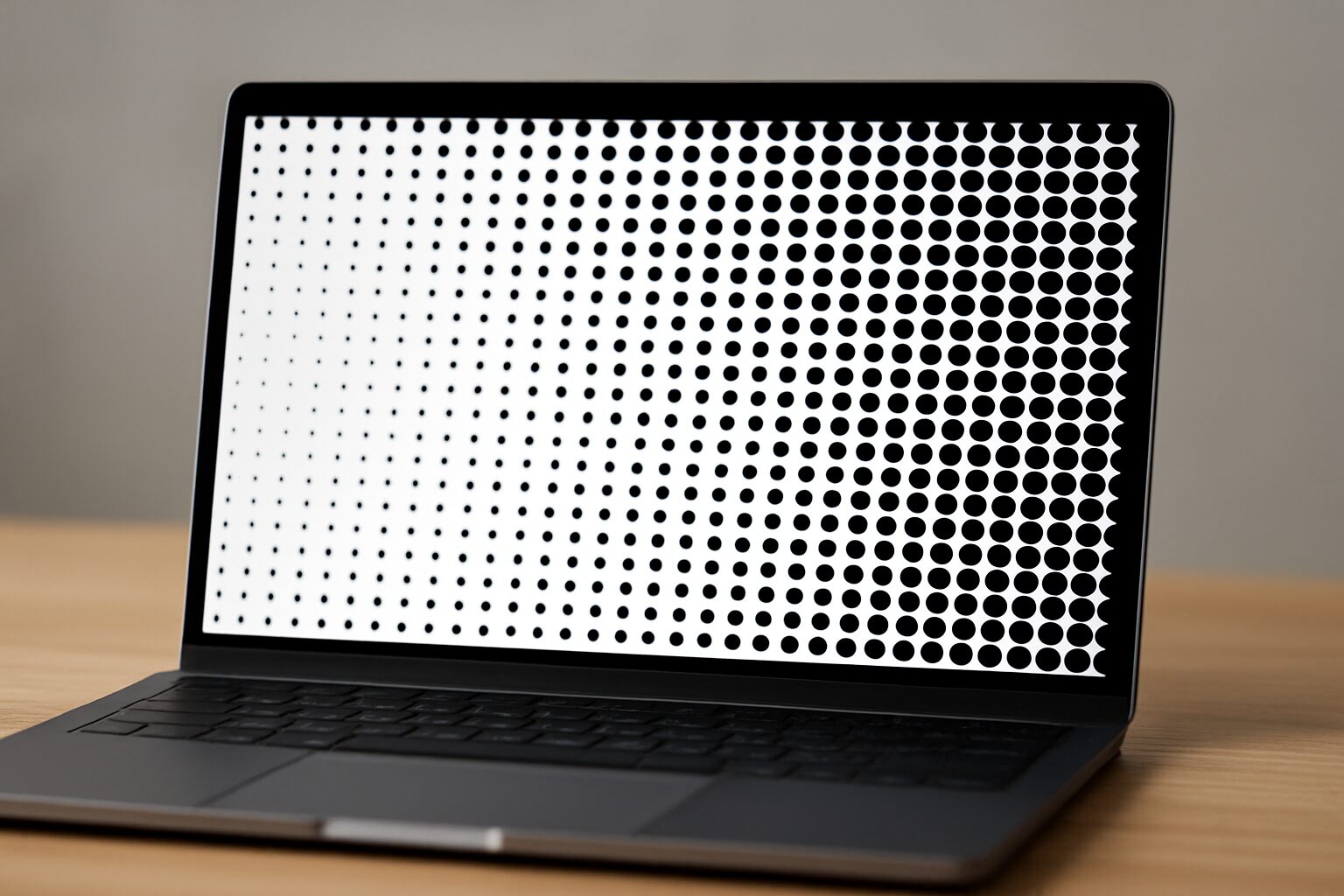
Halftone effects help transform continuous tones, gradients, and detailed artwork into patterns of small dots that create the impression of different shades. This technique supports creative flexibility while maintaining a print-ready design approach. A dtf halftone generator allows designers to prepare artwork with controlled dot patterns, making it easier to develop visually appealing graphics for direct-to-film printing. From bold typography to photographic illustrations, halftone styling adds texture, depth, and a distinctive visual character to custom apparel designs.
How Does Halftone Technology Improve Design Presentation?
Halftone technology creates tonal variation by adjusting the size, spacing, or arrangement of dots. Larger dots generally produce darker areas, while smaller dots create lighter visual effects. This approach gives designers greater control over contrast and composition.
For apparel graphics, the technique can help highlight facial features, shadows, background textures, and decorative elements. It also provides a practical way to create vintage-inspired artwork, modern streetwear graphics, and screen-print-style illustrations with a recognizable dotted appearance.
Which Design Statistics Matter When Creating Halftone Artwork?
Several measurable design factors influence the appearance of a halftone image. Understanding these factors helps produce consistent results across different artwork styles.
Dot frequency: Measured in lines per inch (LPI), this describes the number of halftone lines within one inch. Higher values create finer patterns, while lower values produce more visible dots.Image resolution: Artwork prepared at 300 pixels per inch (PPI) is a common starting point for detailed print graphics, depending on the production workflow.Contrast distribution: The balance between highlights, midtones, and shadows determines how clearly the image’s details remain visible.Pattern angle: The orientation of the dot pattern affects the visual texture and can influence how multiple printed patterns interact.Artwork dimensions: The final print size determines how large the dots appear when the design is transferred onto a garment.
Dot frequency: Measured in lines per inch (LPI), this describes the number of halftone lines within one inch. Higher values create finer patterns, while lower values produce more visible dots.
Image resolution: Artwork prepared at 300 pixels per inch (PPI) is a common starting point for detailed print graphics, depending on the production workflow.
Contrast distribution: The balance between highlights, midtones, and shadows determines how clearly the image’s details remain visible.
Pattern angle: The orientation of the dot pattern affects the visual texture and can influence how multiple printed patterns interact.
Artwork dimensions: The final print size determines how large the dots appear when the design is transferred onto a garment.
These measurements provide useful starting points. The ideal settings depend on the image, film, ink, garment, and printer capabilities.
Can a DTF Halftone Generator Support Different Artwork Styles?
Yes. Halftone effects work across a wide range of creative applications. Portrait illustrations benefit from carefully balanced tonal transitions, while logos and typography can use bold dot patterns to create a striking graphic identity.
Designers can also apply halftone styling to abstract artwork, illustrated characters, landscape images, and decorative patterns. The technique supports both subtle shading and highly visible textures, allowing the same creative principle to serve different visual objectives.
What Should Designers Consider Before Generating a Halftone Pattern?
Successful preparation begins with a clear, high-quality source image. Strong tonal separation helps the conversion process preserve important details, especially around outlines and smaller features.
Designers should also consider the intended print dimensions, the visibility of fine dots, and the contrast between the artwork and garment color. Previewing the generated design at its actual print size makes it easier to evaluate readability and overall balance.
A practical workflow includes checking transparent areas, maintaining clean edges, and confirming that the exported file matches the production requirements. These steps help establish a reliable foundation for consistent apparel graphics.
How Can Halftone Effects Contribute to Better Production Planning?
A structured halftone workflow improves communication between designers and print operators. When dot frequency, image dimensions, and contrast are documented, artwork becomes easier to review and reproduce.
Standardized preparation can also support repeat orders by providing a consistent reference for future versions. For businesses producing custom T-shirts, promotional apparel, or branded merchandise, this organized approach helps align creative expectations with manufacturing requirements.
Conclusion: Why Is Halftone Preparation Important for DTF Printing?
Halftone design combines visual creativity with measurable production considerations. Dot frequency, resolution, contrast, pattern orientation, and print dimensions all contribute to the final appearance of an image. By understanding these factors and reviewing artwork before production, designers can create detailed, distinctive graphics with greater confidence. A thoughtful halftone workflow supports creative consistency, efficient collaboration, and professional presentation across a wide range of custom apparel projects.
Key Points
- Halftone effects convert continuous tones and detailed artwork into patterns of small dots, enhancing creative flexibility for DTF printing.
- When using halftone technology, larger dots create darker areas and smaller dots produce lighter visual effects, giving designers control over contrast.
- Key design statistics for halftone artwork include dot frequency measured in lines per inch (LPI), image resolution at 300 pixels per inch (PPI), and contrast distribution.
- A clear, high-quality source image with strong tonal separation is vital for preserving important details when generating halftone patterns.
- Structured halftone workflows improve communication between designers and print operators, making artwork easier to review and reproduce for consistent results.
- Understanding factors like dot frequency, resolution, and pattern orientation is crucial for creating detailed graphics in custom apparel projects.