
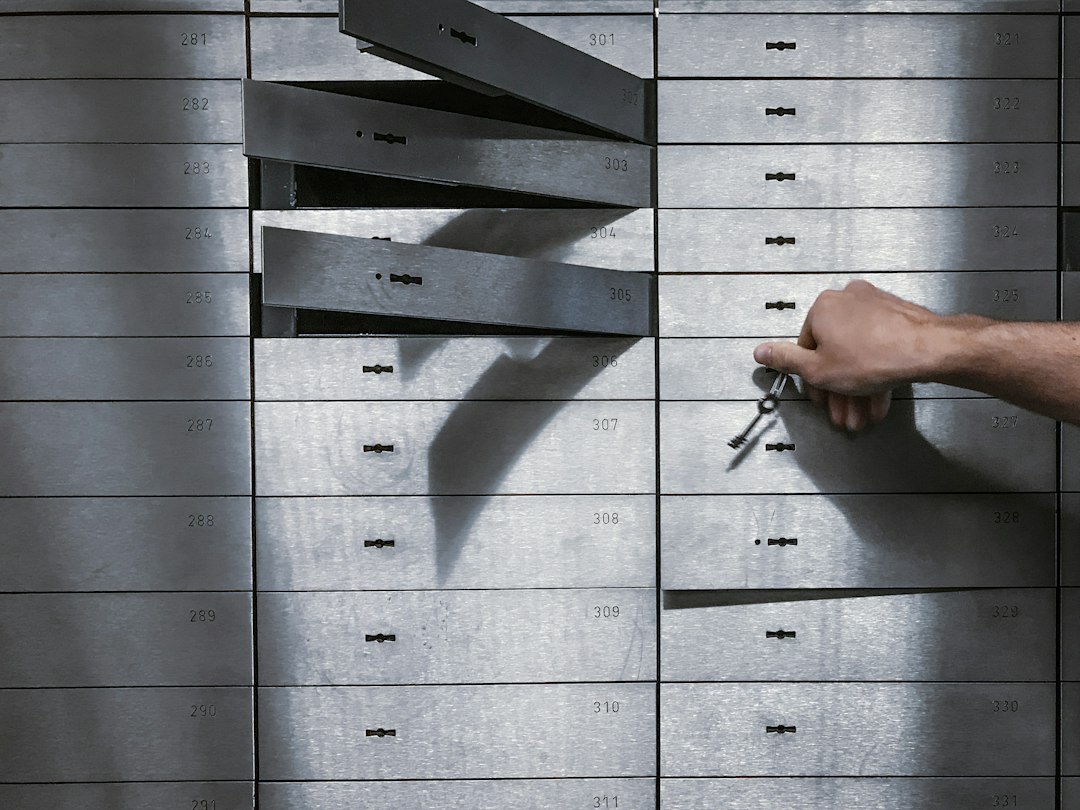
Why are safe deposit boxes valuable for document protection?
Important documents often contain information that is difficult or time-consuming to replace. Property records, wills, certificates, legal agreements, financial papers, and personal records deserve a secure storage solution. safe deposit boxes provide a dedicated place for keeping selected valuables and documents protected from everyday risks at home. Their secure design can offer added confidence while helping families organize records that require long-term care.
In This Article
- Why are safe deposit boxes valuable for document protection?
- Which personal records are suitable for secure storage?
- How can secure storage support long-term document preservation?
- What financial records can be kept securely?
- Can families benefit from using secure document storage?
- How should important documents be prepared before storage?
- How often should personal records be reviewed?
- What makes secure storage useful for valuable personal information?
- Are safe deposit boxes useful for estate planning documents?
- How can secure document storage improve personal organization?
- Conclusion
Which personal records are suitable for secure storage?
The right documents depend on individual needs, but many people choose to protect records that are valuable, sensitive, or difficult to replace. Examples can include birth certificates, marriage certificates, property documents, insurance records, family photographs, important contracts, and copies of estate-planning documents.
A secure storage arrangement can also help reduce household clutter. Instead of keeping every important paper in multiple drawers or folders, individuals can identify their most valuable records and place them in a dedicated location.
How can secure storage support long-term document preservation?
Paper records can be affected by moisture, accidental damage, fire, misplacement, or general household activity. A dedicated secure environment provides an additional layer of protection beyond ordinary home storage.
Documents can remain better organized when they are placed in protective folders or envelopes before being stored. Using clear labels and maintaining an updated inventory can make future access easier while supporting a practical document-management routine.
What financial records can be kept securely?
Financial paperwork often includes information that individuals may need years after it was originally issued. Examples include investment records, selected tax documents, certificates, ownership papers, and other important financial documentation.
Secure storage can be particularly useful for records that are rarely needed but remain important. Keeping these papers in a protected location allows everyday financial documents to remain accessible at home while long-term records receive additional protection.
Can families benefit from using secure document storage?
Yes. Families often share responsibility for managing property, financial affairs, and personal records. A secure storage arrangement can create a central location for selected documents that several trusted family members may eventually need.
It is helpful to maintain a simple record of what has been stored and who is authorized to access it. Families can also periodically review their documents to remove outdated materials and replace older versions with current records.
How should important documents be prepared before storage?
Preparation can make secure storage considerably more effective. Documents should be clean, dry, and placed in suitable protective sleeves or folders. Avoid overcrowding the storage container, as excessive pressure can damage papers over time.
Creating digital copies can also complement physical storage. A secure digital backup can provide convenient access to information when the original document is safely stored elsewhere. The physical original and digital copy serve different purposes, giving individuals a more organized approach to record management.
How often should personal records be reviewed?
A yearly review is a practical habit for many households. Life changes can make previously stored documents outdated, while new records may become more important.
During a review, individuals can check whether names, addresses, ownership details, insurance information, and legal documents remain current. An inventory can also confirm that each item is stored where expected and that the family knows the appropriate procedures for accessing it.
What makes secure storage useful for valuable personal information?
Privacy is an important part of document management. Personal records can contain names, addresses, signatures, financial details, and other information that should be handled responsibly.
A dedicated secure storage option can help limit unnecessary exposure while providing an organized location for sensitive materials. This can be especially valuable for documents that are not required during everyday activities but still need reliable protection.
Are safe deposit boxes useful for estate planning documents?
They can play an important role in organizing estate-related records, although access arrangements should be considered carefully. Individuals may store copies or selected supporting documents while ensuring that trusted family members or appropriate professionals understand where essential records can be located.
Because estate planning can involve documents with specific access requirements, it is sensible to understand the applicable rules and maintain clear instructions outside the secured location where appropriate.
How can secure document storage improve personal organization?
Security and organization often work together. When important records have a dedicated home, individuals can create a clearer distinction between documents needed regularly and those intended for long-term preservation.
A simple inventory, consistent labeling system, protective folders, and periodic reviews can turn document storage into a manageable routine. This approach can save time when records are needed and provide greater confidence that important information remains properly maintained.
Conclusion
Protecting important documents is an essential part of responsible personal record management. A secure storage solution can provide an organized and protected environment for certificates, property records, financial papers, legal documents, and other valuable personal information. With thoughtful preparation, clear organization, regular reviews, and appropriate access planning, individuals and families can preserve important records with greater confidence and convenience.
Key Points
- Safe deposit boxes offer a secure storage solution for valuable and sensitive documents that are difficult or time-consuming to replace.
- Common personal records stored in safe deposit boxes include birth and marriage certificates, property documents, insurance records, and estate-planning documents.
- A yearly review of stored documents supports the management of personal records by ensuring that they remain current and organized.
- Secure storage reduces household clutter by allowing individuals to keep important papers in a dedicated location rather than multiple drawers or folders.
- Preparing documents for storage involves placing them in protective sleeves, avoiding overcrowding, and creating digital copies for convenient access.
- Safe deposit boxes can play a crucial role in organizing estate planning documents, provided that access arrangements are clearly understood by trusted family members.