
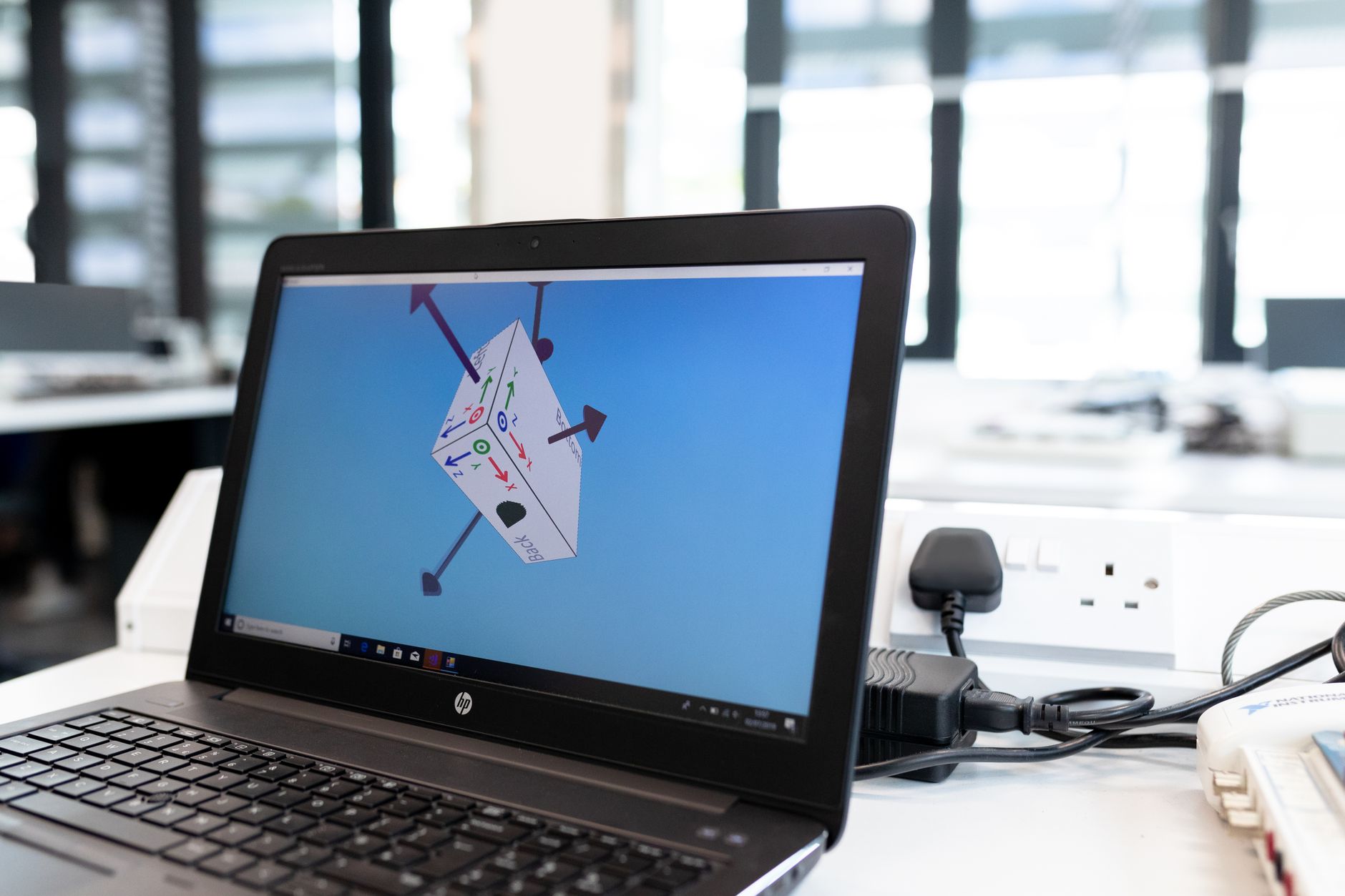
Precision measurement is no longer limited to a workshop filled with specialized instruments. Smartphone technology has created practical ways to access useful measuring capabilities during home projects, carpentry, construction, landscaping, and routine positioning tasks. A Clinometer Tool App brings inclinometer functionality to a mobile device, allowing users to examine slopes, tilts, and angles through responsive sensor technology and clear digital guidance.
In This Article
- Why is professional-style measurement useful on a phone?
- How does smartphone inclinometer technology work?
- Which types of measurements can be explored?
- Can it support detailed DIY projects?
- How can carpentry benefit from digital inclination readings?
- Is digital measurement useful for construction work?
- How does visual guidance improve the experience?
- What advantages does portability provide?
- Can it help create consistent results?
- Who can make use of smartphone clinometer features?
- Conclusion
Why is professional-style measurement useful on a phone?
Many projects require more than a visual estimate. A small difference in inclination can affect how a surface, fixture, or material is positioned. Having a digital measurement reference available on a smartphone allows users to check these details conveniently while working.
The portability of a phone also makes measurement easier to access across different locations. From a home workspace to an outdoor project area, users can keep a useful angle-measuring capability close at hand.
How does smartphone inclinometer technology work?
Smartphones contain sensors that detect orientation and movement. A digital inclinometer interprets these sensor readings and converts them into understandable information about the device’s angle.
As the phone changes position, the displayed measurement can respond accordingly. This creates an interactive experience where users can observe adjustments in real time and work toward the desired position.
Which types of measurements can be explored?
A versatile digital measurement solution can display angles in several formats. Degrees provide a straightforward representation of inclination, while percentage grade can make slope information easier to apply to certain projects.
Roof pitch and inches-per-foot measurements provide additional options for users working with roofing, construction, and home improvement applications. These different formats make the tool adaptable rather than limited to one measurement style.
Can it support detailed DIY projects?
DIY projects often involve careful positioning of shelves, furniture, fixtures, wooden components, and decorative structures. A digital inclinometer can provide a useful reference when checking these elements.
Instead of estimating whether something is correctly positioned, users can make adjustments while observing the measurement. This approach can support a more controlled workflow and help achieve consistent results.
How can carpentry benefit from digital inclination readings?
Carpentry involves many situations where angled components need to be positioned accurately. Measuring an incline during preparation or assembly can help users maintain the intended orientation of materials.
A smartphone-based solution offers an accessible reference throughout the project. Because the device is portable, it can remain available as work moves between different areas.
Is digital measurement useful for construction work?
Construction-related tasks frequently involve slopes, inclines, and angled surfaces. Digital measurement can provide useful information when checking ramps, roofing elements, inclined structures, and other surfaces.
The ability to switch between measurement formats can also make the information easier to apply to different project requirements. This versatility supports both simple checks and more detailed positioning work.
How does visual guidance improve the experience?
Clear visual feedback helps transform technical readings into information that is easy to interpret. When a smartphone is tilted, responsive indicators can show the change immediately, allowing users to understand the relationship between movement and measurement.
Optional augmented-reality measurement can provide an additional interactive layer. By combining visual information with sensor-based readings, it can make certain measurement tasks more intuitive.
What advantages does portability provide?
A traditional measuring instrument may need to be selected and carried according to the specific task. Smartphone-based measurement offers a simpler alternative for many everyday checks because the device is already portable.
Users can take measurements around the house, in a workshop, at a job site, or outdoors. This flexibility makes regular measurement checks easier to incorporate into a project.
Can it help create consistent results?
Consistency often comes from checking measurements throughout the work rather than only at the end. Digital inclination readings can support this process by providing immediate feedback during setup and adjustment.
Users can verify a position, refine it, and confirm the result again. This creates a repeatable approach that can contribute to neat and carefully finished projects.
Who can make use of smartphone clinometer features?
The technology can be useful for homeowners, DIY enthusiasts, carpenters, decorators, installers, construction workers, and other users who regularly encounter angled surfaces. Its accessible format makes it suitable for both occasional measurements and more frequent project work.
Conclusion
Smartphone-based clinometer technology combines portability with useful professional-style measurement capabilities. Responsive sensors, multiple angle formats, visual guidance, and optional interactive features can support a wide range of activities involving slopes and inclines. Whether checking a household surface, preparing carpentry work, evaluating a construction angle, or completing a DIY project, digital measurement provides a convenient way to approach positioning with accuracy and confidence.
Key Points
- Smartphone technology has enabled practical measuring capabilities for tasks in carpentry, construction, and landscaping.
- A Clinometer Tool App allows users to examine slopes and angles using their mobile device’s sensors.
- Digital inclinometers provide measurements in various formats, including degrees and percentage grades, for versatility in different projects.
- DIY projects and carpentry can benefit from real-time angle measurements, facilitating precise positioning during assembly.
- The portability of smartphones allows users to take measurements easily across different locations, enhancing convenience.
- Smartphone clinometer technology supports a range of users, from homeowners to construction workers, by offering accessible measurement tools.