
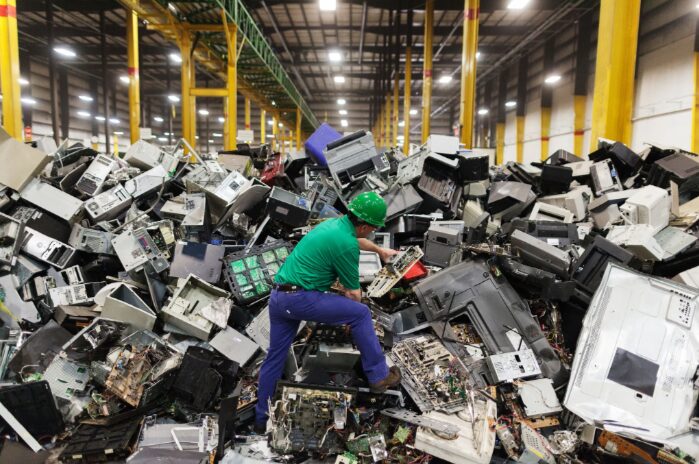
Businesses accumulate computers, servers, monitors, networking devices, printers, and other technology assets as part of regular operations. For organizations planning to recycle old IT equipment in Dubai, professional collection provides a structured way to remove unused technology while supporting data security, efficient asset management, and responsible resource recovery. Instead of allowing outdated equipment to remain in storage, businesses can move retired assets into a controlled processing cycle.
Professional collection is more than simply transporting unwanted devices away from an office. It can involve asset identification, secure handling, transportation, data protection, sorting, refurbishment, recycling, and documentation. A well-managed collection process helps businesses reduce workplace clutter while ensuring technology assets are handled according to their condition, data sensitivity, and potential recovery value.
Efficient Removal of Unused Technology
Outdated IT equipment can occupy valuable office and storage space long after it has stopped contributing to business operations. Professional collection gives organizations a practical way to remove these assets through an organized process. Equipment can be gathered according to location, type, condition, and retirement status, making the transition easier for internal teams.
A planned collection process can also reduce the disruption associated with large-scale technology upgrades. Employees do not need to spend significant time arranging transportation or determining where different devices should go. Instead, equipment can be prepared for professional handling, allowing businesses to focus on their core operations while retired technology moves toward appropriate processing.
Better Control Over Retired IT Assets
Professional collection provides businesses with greater visibility over equipment leaving their premises. Rather than treating outdated technology as miscellaneous waste, organizations can maintain records of the devices being collected and track them through subsequent stages. This approach can improve accountability and support internal asset management procedures.
- Create an accurate inventory of retired equipment.
- Group devices according to type, condition, and processing needs.
- Maintain records during collection and transportation.
- Identify equipment suitable for reuse or refurbishment.
- Keep documentation for recycling and final processing.
These practices help businesses establish a more consistent approach to asset retirement. Better tracking can also make future technology replacement projects easier to organize and manage.
Strengthening Data Protection During Collection
IT equipment may contain business records, customer information, credentials, financial details, and other sensitive data. Removing a device from an office does not automatically remove the information stored on it. For this reason, data protection should remain an important consideration when arranging professional equipment collection.
Businesses seeking to recycle old IT equipment in Dubai should consider collection providers that incorporate secure data handling into their asset management process. Professional IT asset disposition services in Dubai can help organizations manage equipment through controlled collection, data destruction, recycling, and documentation. A structured approach reduces the possibility of devices being misplaced or handled without appropriate security measures.
Maximizing the Value of Retired Equipment
Not every retired device has to become waste. Some computers, servers, networking devices, monitors, and other equipment may retain functional or material value. Professional collection allows equipment to be assessed before determining its most appropriate destination. Depending on condition and data requirements, assets may be suitable for reuse, refurbishment, parts recovery, or material recycling.
- Equipment Assessment
An initial assessment helps determine the condition, type, and potential value of collected equipment. This information supports decisions about whether an item can be reused, refurbished, dismantled, or recycled.
- Data Destruction
Storage devices require careful handling before reuse or recycling. Secure data destruction helps prevent confidential information from remaining accessible and provides businesses with greater confidence when retiring technology.
- Refurbishment Opportunities
Functional equipment may have potential for refurbishment rather than immediate disposal. Extending the useful life of suitable devices can reduce material consumption and help maximize the value of existing technology assets.
- Material Recovery
Devices that cannot be reused may still contain valuable metals, plastics, electronic components, and other recoverable materials. Proper processing separates these materials for responsible recycling and resource recovery.
- Responsible Processing
Professional handling ensures that collected equipment moves through appropriate processing channels rather than being abandoned or improperly discarded. This supports environmental responsibility while improving overall asset management.
Supporting Workplace Sustainability
Professional IT collection can contribute to broader sustainability goals by creating a clear route for retired technology. When suitable devices are reused and non-reusable equipment is processed for material recovery, fewer resources are unnecessarily lost. Businesses can therefore integrate responsible technology retirement into their environmental management practices.
This approach also encourages organizations to consider the complete lifecycle of their technology assets. Purchasing, usage, maintenance, retirement, and recovery can be viewed as connected stages rather than separate activities. Such thinking helps businesses make more responsible decisions when planning future technology upgrades.
Improving Documentation and Accountability
Documentation is another important benefit of professional collection. Businesses may need records showing which equipment was removed, where it was processed, and what happened to the assets afterward. Maintaining these details creates a clearer audit trail and supports internal governance.
Certificates and processing records can also provide useful evidence for sustainability reporting and compliance requirements. A documented process demonstrates that retired technology was handled through defined procedures rather than being left to informal disposal channels. This level of accountability can be particularly valuable for organizations managing large volumes of IT equipment.
Conclusion
Professional IT equipment collection helps businesses manage outdated technology with greater control, security, and environmental responsibility. It reduces storage challenges, supports secure data handling, creates opportunities for refurbishment and material recovery, and provides documentation throughout the asset retirement process. By treating collection as part of a broader lifecycle strategy, organizations can gain greater value from technology while reducing unnecessary waste.
For businesses seeking dependable IT asset disposition services in Dubai, Planet Green Recycling (L.L.C) provides a practical approach to IT asset collection, secure data destruction, recycling, recovery, and responsible processing. Its structured services can help organizations manage retired technology efficiently while supporting data protection and sustainability objectives.